Battery charging safety – preventing fires in your home
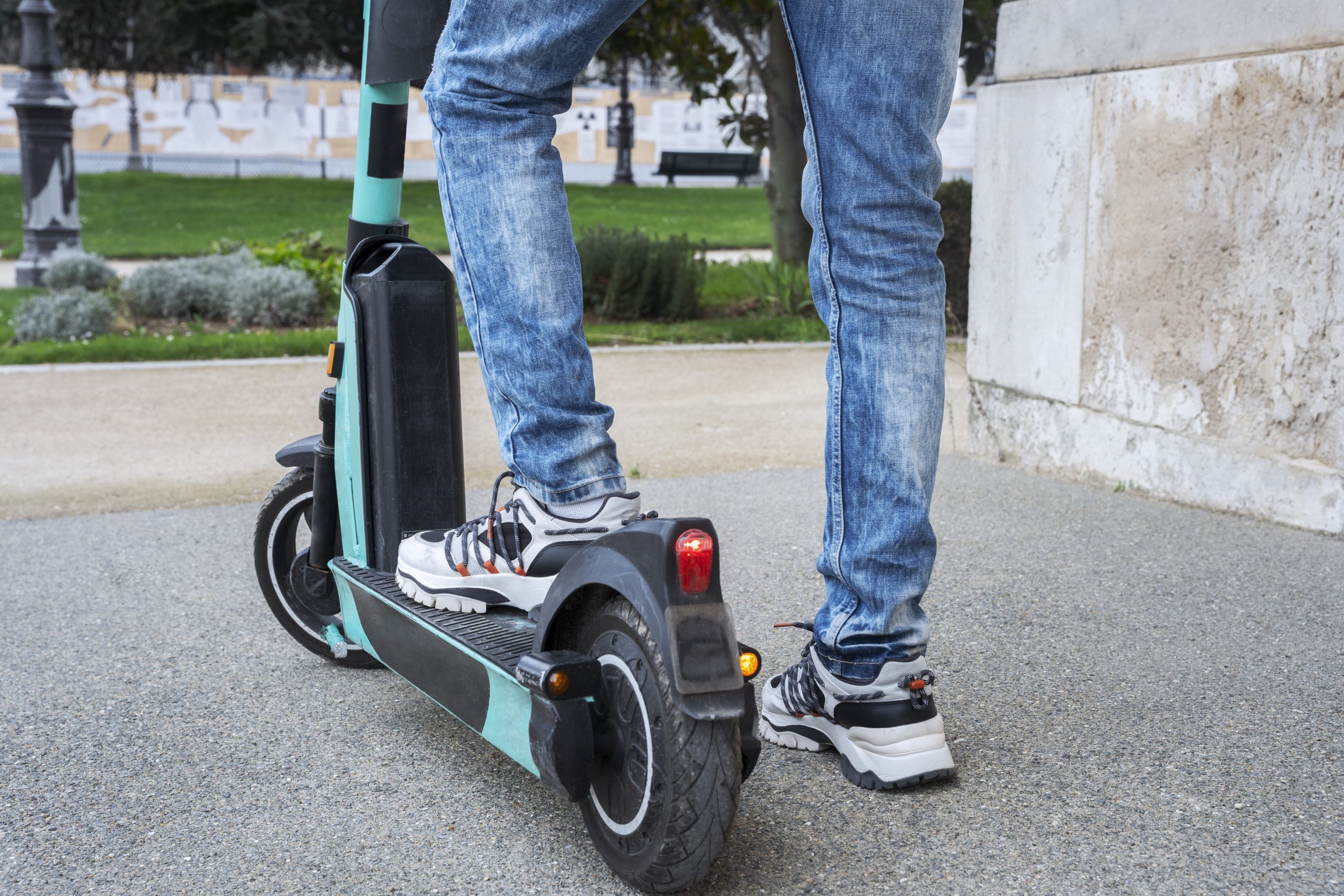
Many portable devices such as laptops, mobile phone, e-scooters, children’s toys and e-cigarettes may contain rechargeable lithium-ion batteries.
They are lightweight and powerful, making them a popular choice to power a whole range of everyday household items and gadgets.
But they can also carry more risks.
In recent years a series of serious house fires across the country has led to fire services warning of the dangers if lithium-ion batteries are not charged or handled properly. If these are not safely used there’s a risk they can overheat, catch fire or explode increasing the risk of house or garage fires and personal injury.
Tips for safe charging
To stay safe, follow this advice from Mid and West Wales Fire and Rescue Service, North Wales Fire Service and South Wales Fire Service
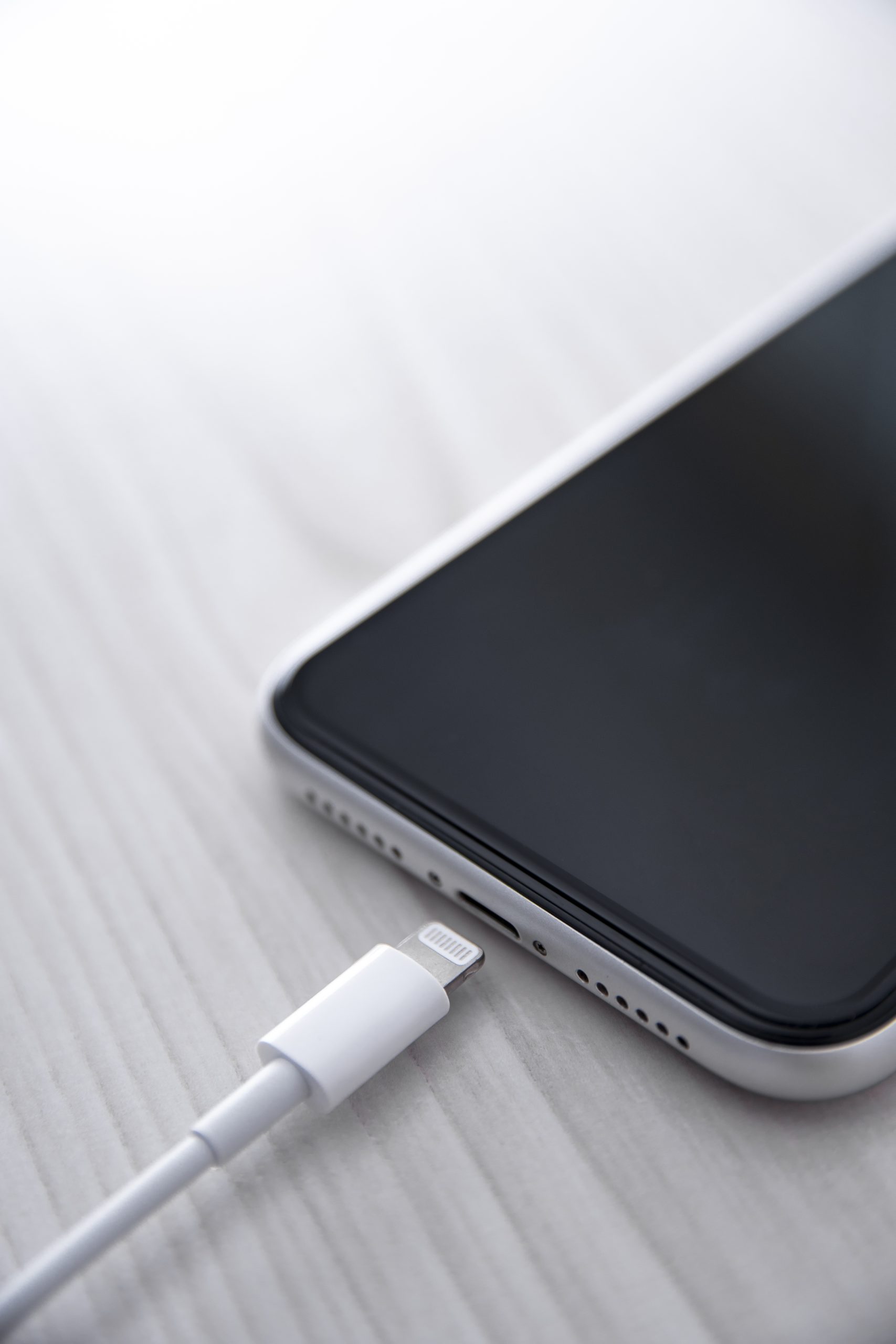
Use the correct charger
Always make sure you use the charger that came with your device or a genuine replacement from a trusted supplier.
Avoid overcharging
Unplug devices once fully charged.
Safe charging
Charge batteries in a safe, visible location. Avoid charging near flammable material or in escape routes, such as corridors or hallways.
Charge on a hard, flat non-flammable surface, such as a kitchen worktop and avoid soft furnishing or carpets.
Charge devices while you are awake and nearby. Avoid charging overnight or when you are out of the house.
Disconnect the charger once the battery is full. Continuous charging increases the fire risk.
Check the condition of your battery
Stop using your batteries if they look swollen or damaged or are overheating.
Avoid extreme temperatures
Do not charge or store batteries in very hot or cold environments. Make sure the area is well ventilated and avoid enclosed spaces.
Keep batteries away from direct sunlight and heat sources.
Do not cover devices while charging
Avoid charging under pillows or blankets. This traps heat and can cause overheating, increasing the fire risk.
Beware of counterfeit products
Cheap chargers and batteries may not meet UK safety standards and can be more dangerous.
Make sure there’s a smoke alarm nearby
Only charge in areas that have smoke or heat detection and consider how you would get out of your home if a fire occurred. Remember to test your smoke and heat detectors weekly and call 0800 052 2526 if they fail to activate on the test mode.
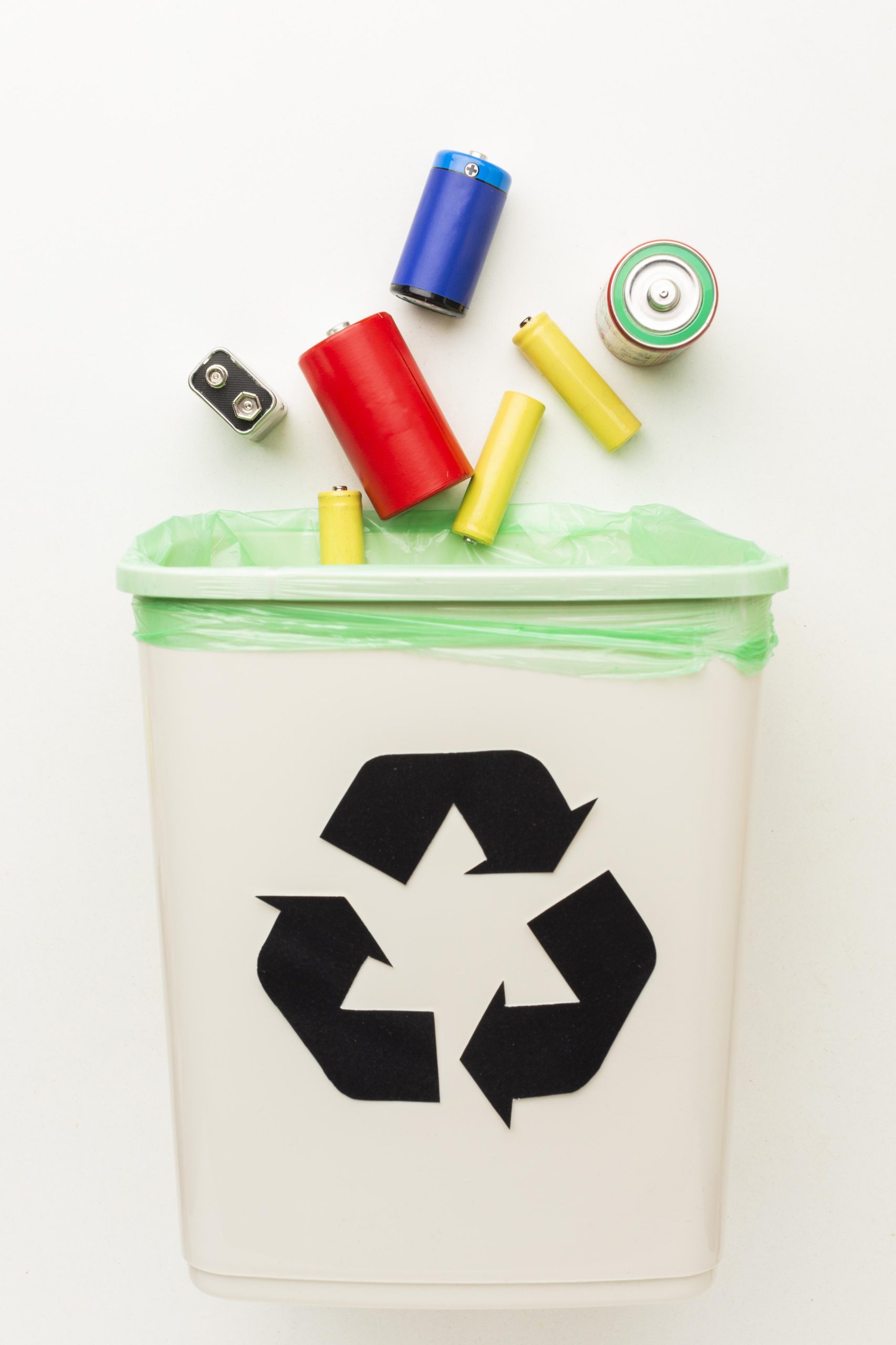
How to safely dispose of batteries
Never throw lithium batteries in your household rubbish.
Use designated collection points like supermarkets or large retailers who provide battery recycling bins.
If the battery cannot be removed, treat the whole item as electrical waste and take it to a household recycling centre. Some retailers offer an exchange if you’re buying a replacement.
All local authorities provide battery recycling facilities at their household waste recycling centres. If you are disposing of a battery pack from an e-bike or scooter, you should check with your local recycling centre first.