

Caring for the carers
Sleepless nights? Worried about paying bills? These are just some of the daily struggles faced by unpaid carers in Wales.
It’s estimated that Wales has the highest number of unpaid carers in the UK, with more than 370,000.
An unpaid carer is anyone who cares for someone who is ill, disabled, older, has mental health concerns or is experiencing addiction, and is not paid by a company or local authority to do this, says Carers Wales.
While caring can be hugely rewarding and provide a sense of purpose, it can also be physically, emotionally and financially exhausting.
This video from Carers Wales shows what an unpaid carer does.
Pressures of caring - typical challenges for someone with caring responsibilities might include:
Sleep disruption – night waking, worry, or supporting someone with health or behavioural needs.
Lack of time – juggling school runs, appointments, medication schedules, personal care tasks and unpredictable crises.
Financial strain – childcare costs, transport, reduced hours, unpaid leave, and equipment costs.
Balancing appointments — medical reviews, therapy sessions, assessments, school meetings, social care involvement.
Emotional pressures – loneliness, isolation and guilt. Many carers feel alone in their responsibilities or feel guilty for “letting people down.”
Looking after the carers
When you are simply coping day to day and responding to the needs of others, it’s easy to forget your own health needs. Carers Wales offers a range of practical advice and tips to help.
Simple actions can make a difference, for example:
Taking regular breaks
A carer’s break is having some time to yourself, to do your own thing, however long or short. It’s that time to do something a bit different away from your usual caring role.

Make sure you get enough sleep
There are various techniques you can try to improve your sleeping habits.
For example,
- make sure your bedroom is comfortable and calm – and not too hot, cold or noisy
- try to keep a regular pattern of going to bed and rising at the same time every day, even if you are not tired and avoid bright lights or having any devices close by

Talk to your doctor
If your GP (General Practitioner) knows that you are a carer, they can provide you with useful support, advice and information. For example, they can refer you to local support networks in your area.
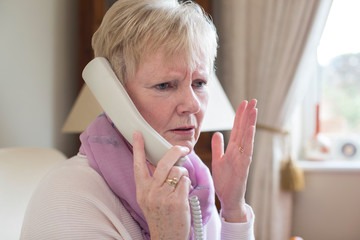
Help from the Tenant Support and Wellbeing Service (TSWS)
If you’re struggling, you can contact the Tenant Support and Wellbeing Service. It’s a free and confidential telephone and online counselling service for Wales & West Housing residents.
They can help with many of life’s challenges including:
- sleeping problems
- everyday coping methods
- elderly and disability care
- life changing events
Call freephone 0330 094 8845 or log on to their online support site
Username: walesandwest
Password: resident
Other support for carers
Carers’ assessments
These are available through local authorities and can outline needs, support plans, respite, practical aids and financial entitlements.
Benefits checks
Many carers are eligible for Carer’s Allowance, DLA/PIP for dependants, or Universal Credit adjustments. For more information from gov.uk click carers allowance eligibility and benefit calculator tool.
Local carers’ centres
These can provide peer support, respite options, advocacy or training, for example, moving and handling and understanding various medical conditions.
Respite care
Formal or informal breaks to help reduce the risk of burnout.