

Don’t let fly-tipping spoil where you live
Fly-tipping continues to be a huge problem across our communities and the whole of Wales.
Latest figures from the Welsh Government show that there were more than 40,000 illegal fly-tips in 2023. Two thirds of that waste comes from households.
The cost of clearing illegally dumped waste across our communities runs into hundreds of thousands of pounds every year as we have to pay specialist waste companies to remove it.
That’s money that could be better spent on improving your homes.
Throughout our communities there are many fly-tipping hotspots where rubbish is regularly dumped.
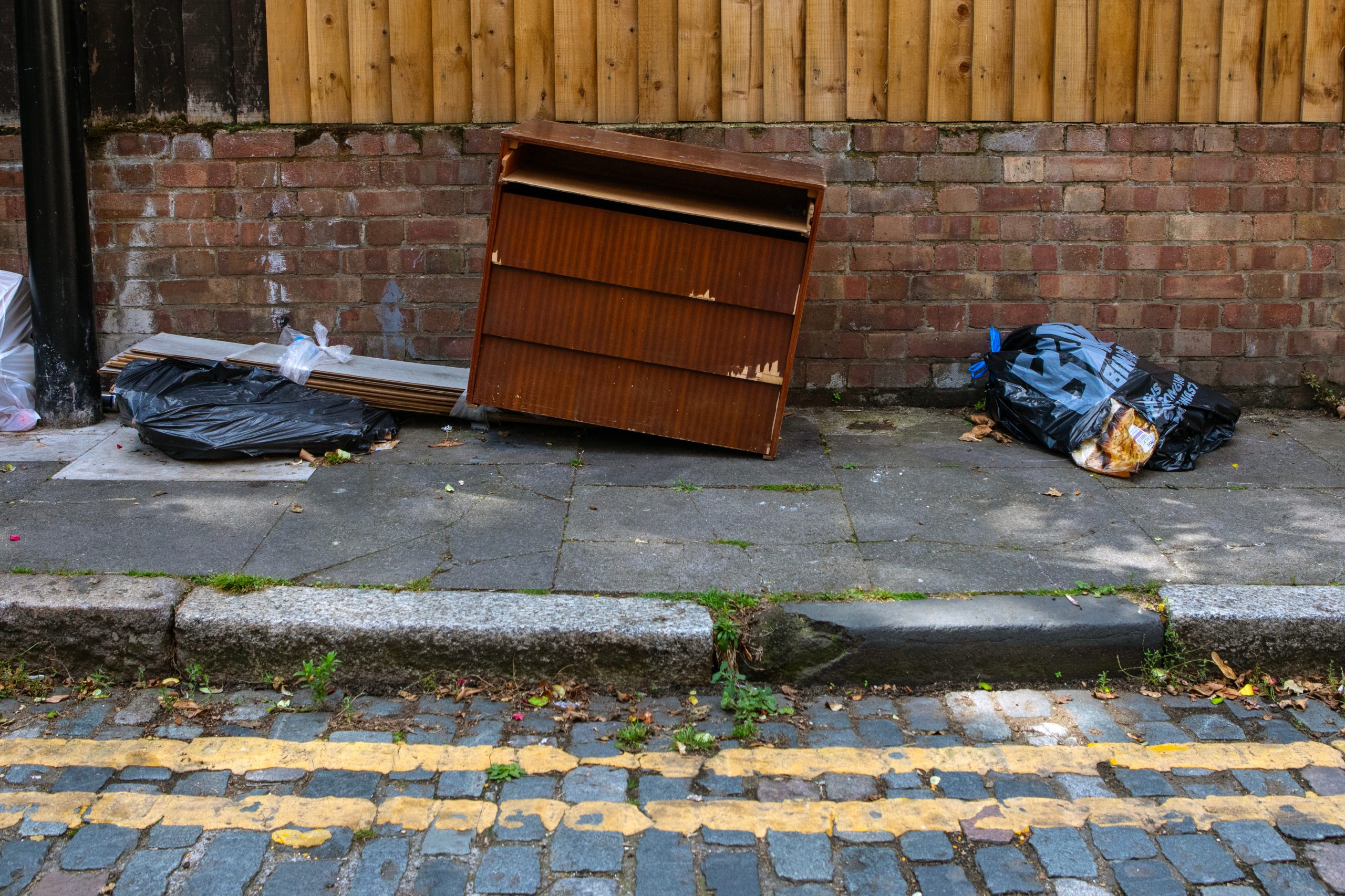
“Fly-tipping is a major issue, and it seems to be getting worse.” says WWH’s Head of Housing Phil Carroll.
“Not only does it look an eyesore, if it contains household waste it will attract rats and other pests and vermin.
“Litter creates litter. As we have seen in the news with the recent bin strikes in other parts of the UK, where waste is left, others will add to it, and it becomes an even bigger problem.
“We also have issues where people think they are doing the right thing by taking their waste down to the bin stores.” Phil continues. “But if they put the wrong items in the wrong recycling bins, it will be classed as cross contamination and won’t get collected. That adds to the waste problems.
“The majority of our residents do the right thing, but some are making it a problem for everyone.”
What is contaminated waste
Contaminated waste is a term that usually refers to hazardous and toxic waste. But in terms of household recycling, it is rubbish that has been put out for recycling – just not in the right place.
For example, if soft plastics are put in the bin for paper or if aluminium is thrown in the container for glass, the local authority waste teams won’t collect it. They class it as contaminated and will leave it, sometimes with a warning note.